
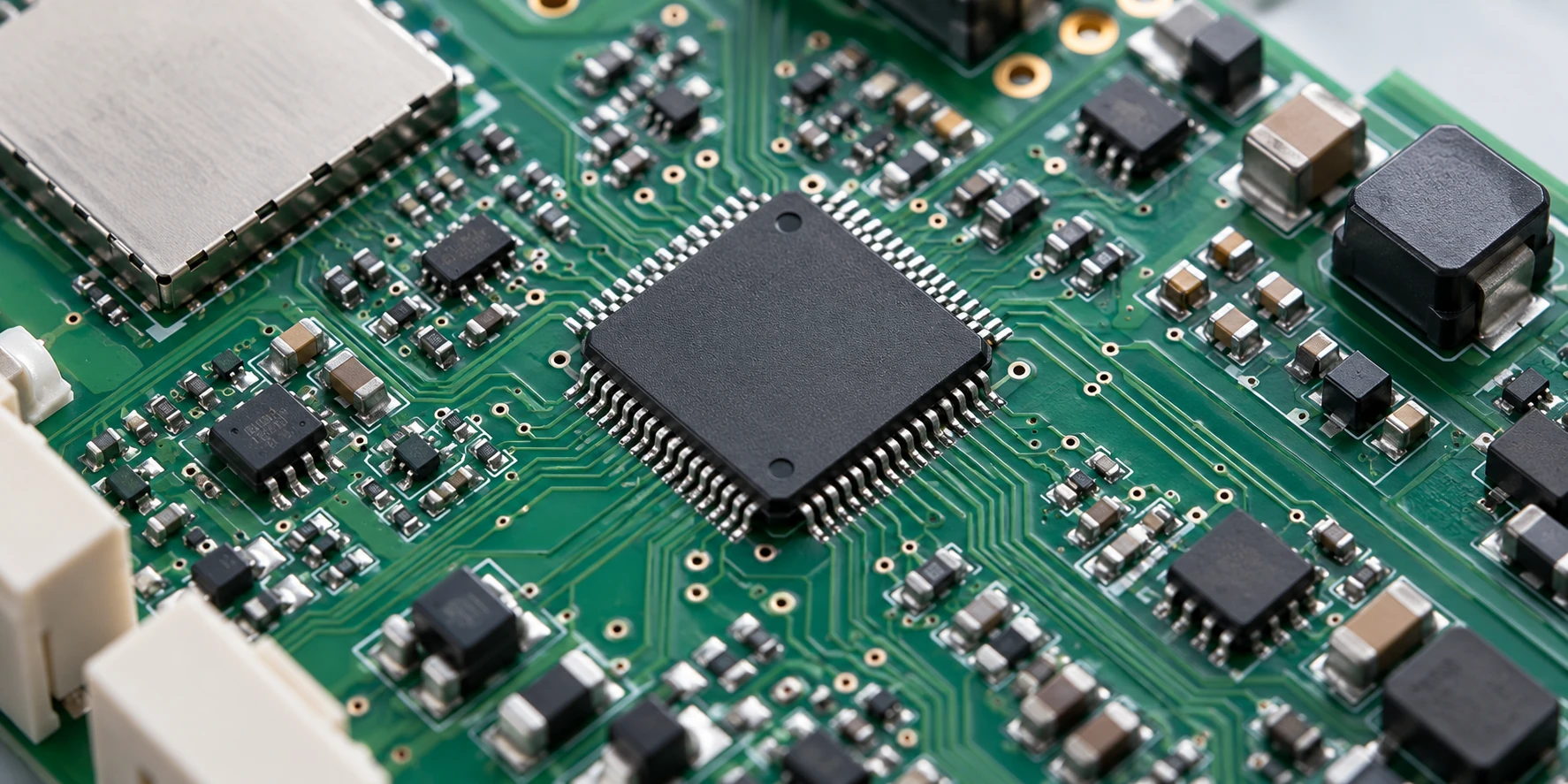
PCB preparation
Check board appearance, cleanliness and panelization.
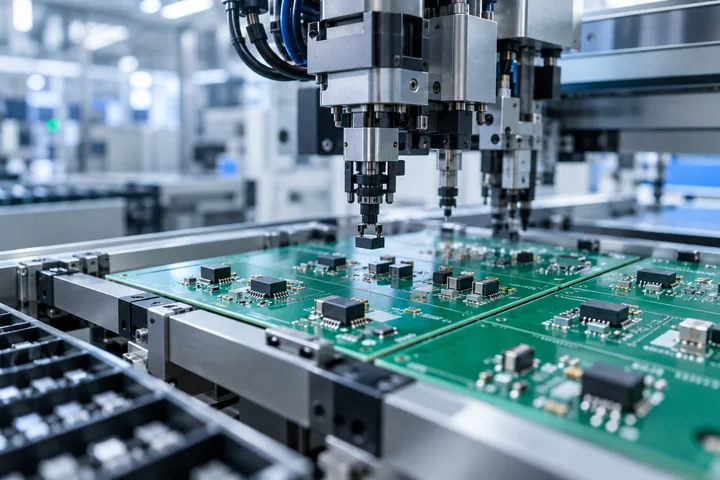
Get the PCB, components, materials and documents ready before starting production.
Check board appearance, cleanliness and panelization.
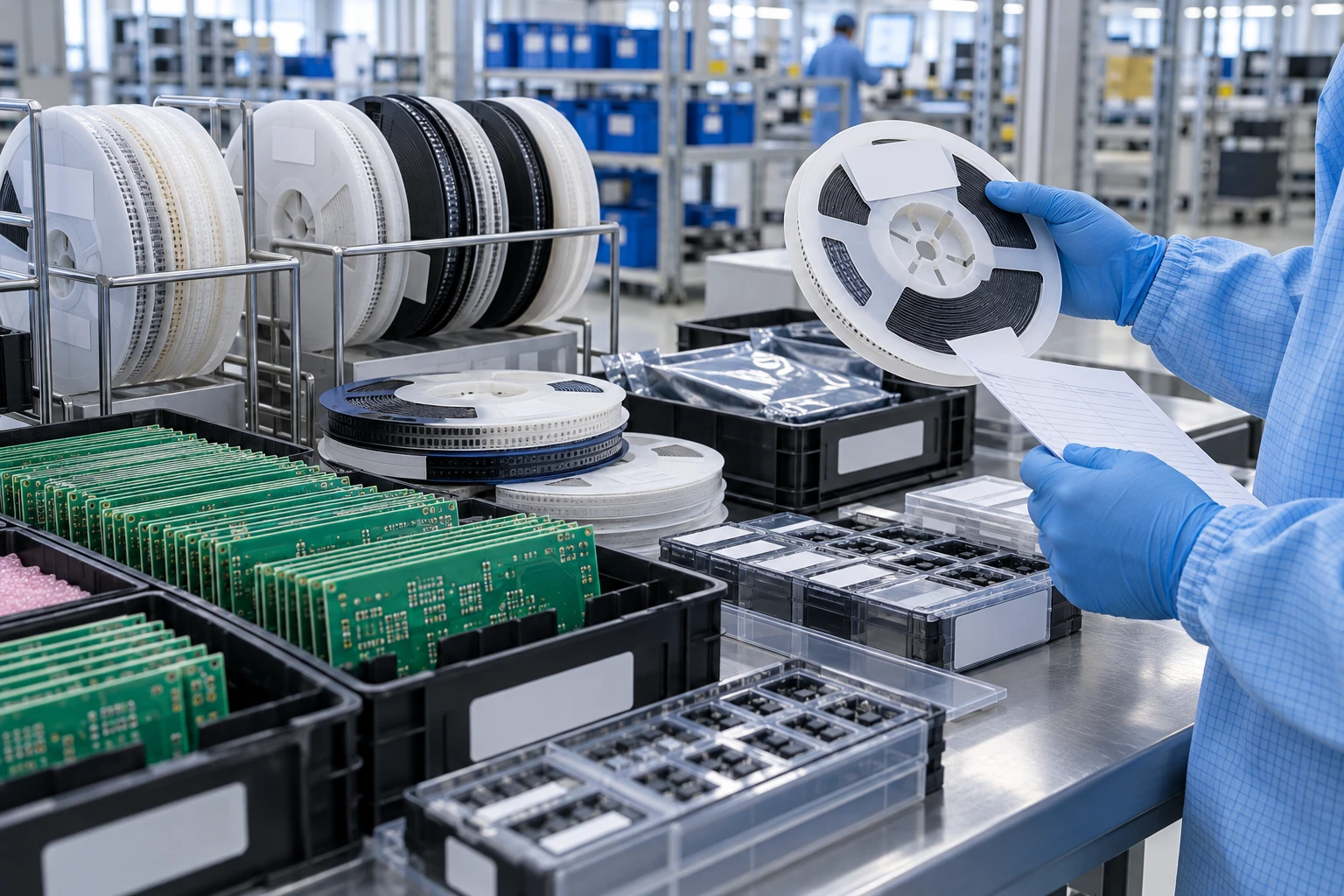
Prepare and verify component types, quantities and condition.
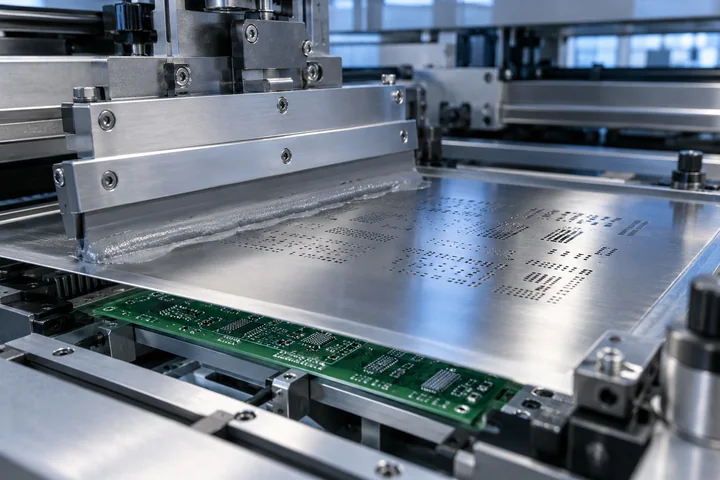
Prepare the stencil and solder paste for printing.
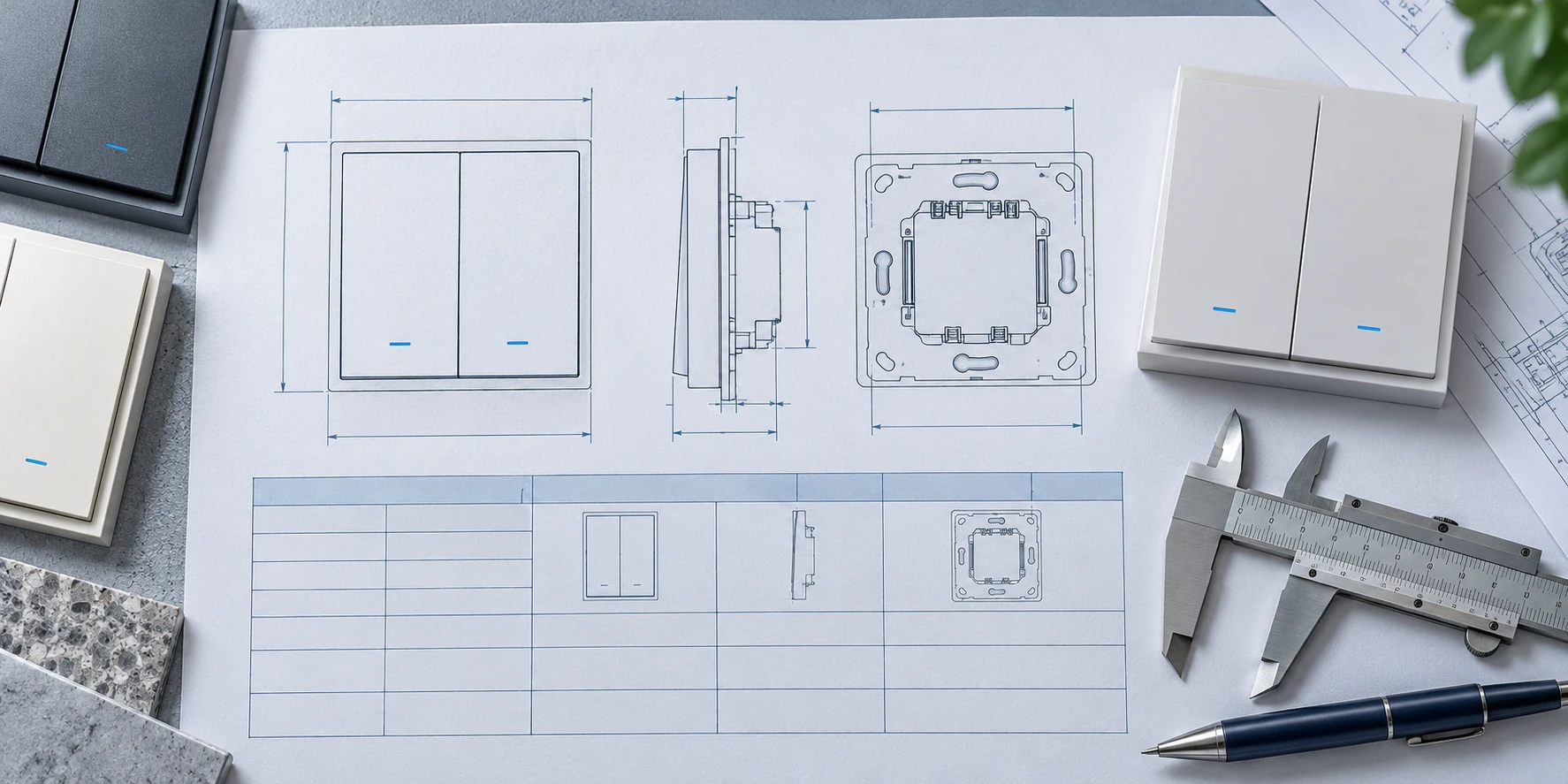
Confirm PCB design, BOM and process requirements.
Complete the main SMT steps in sequence to build the control board.
 1
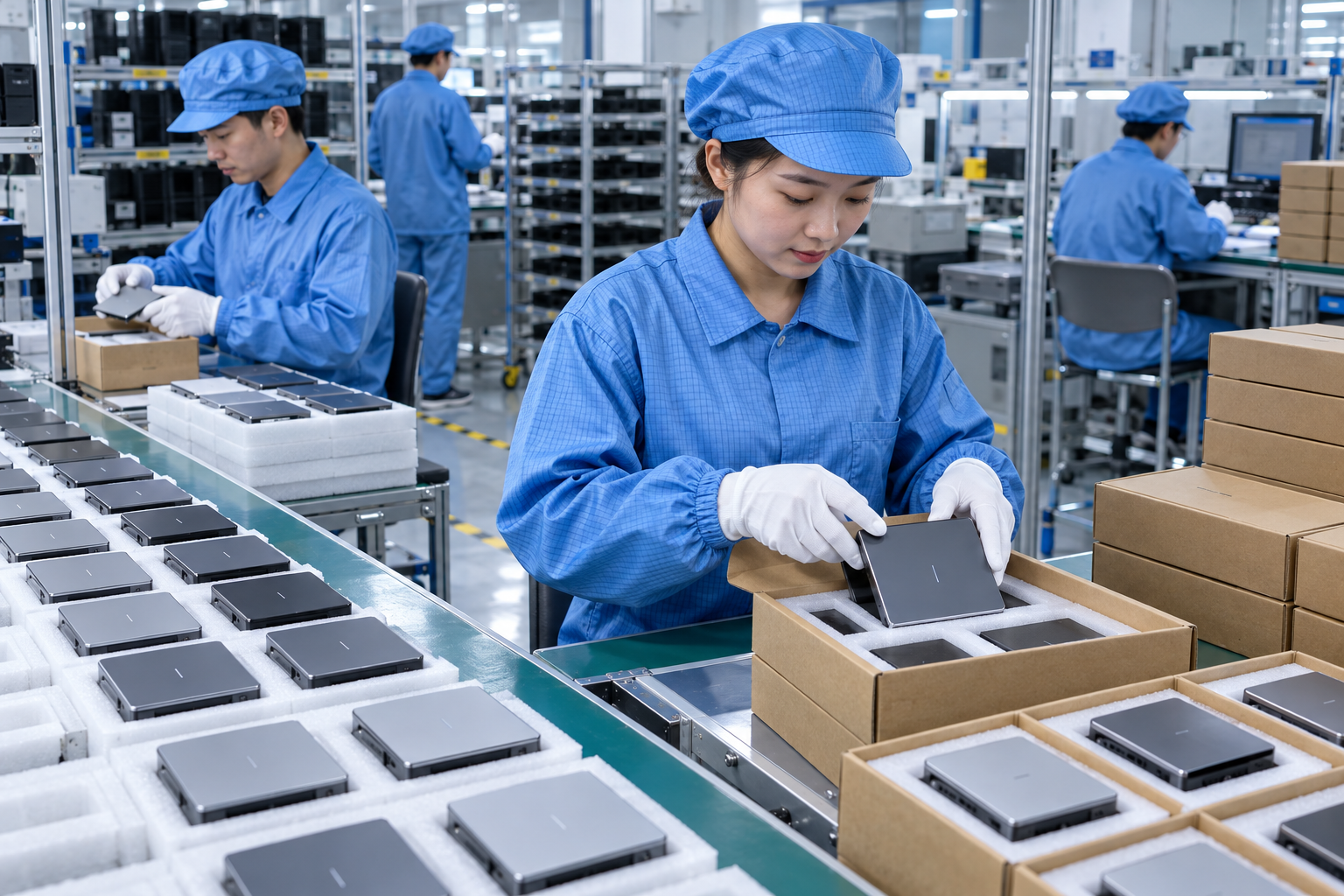
Load component reels and set up feeders.
2Apply solder paste onto the PCB using a stencil.
 3
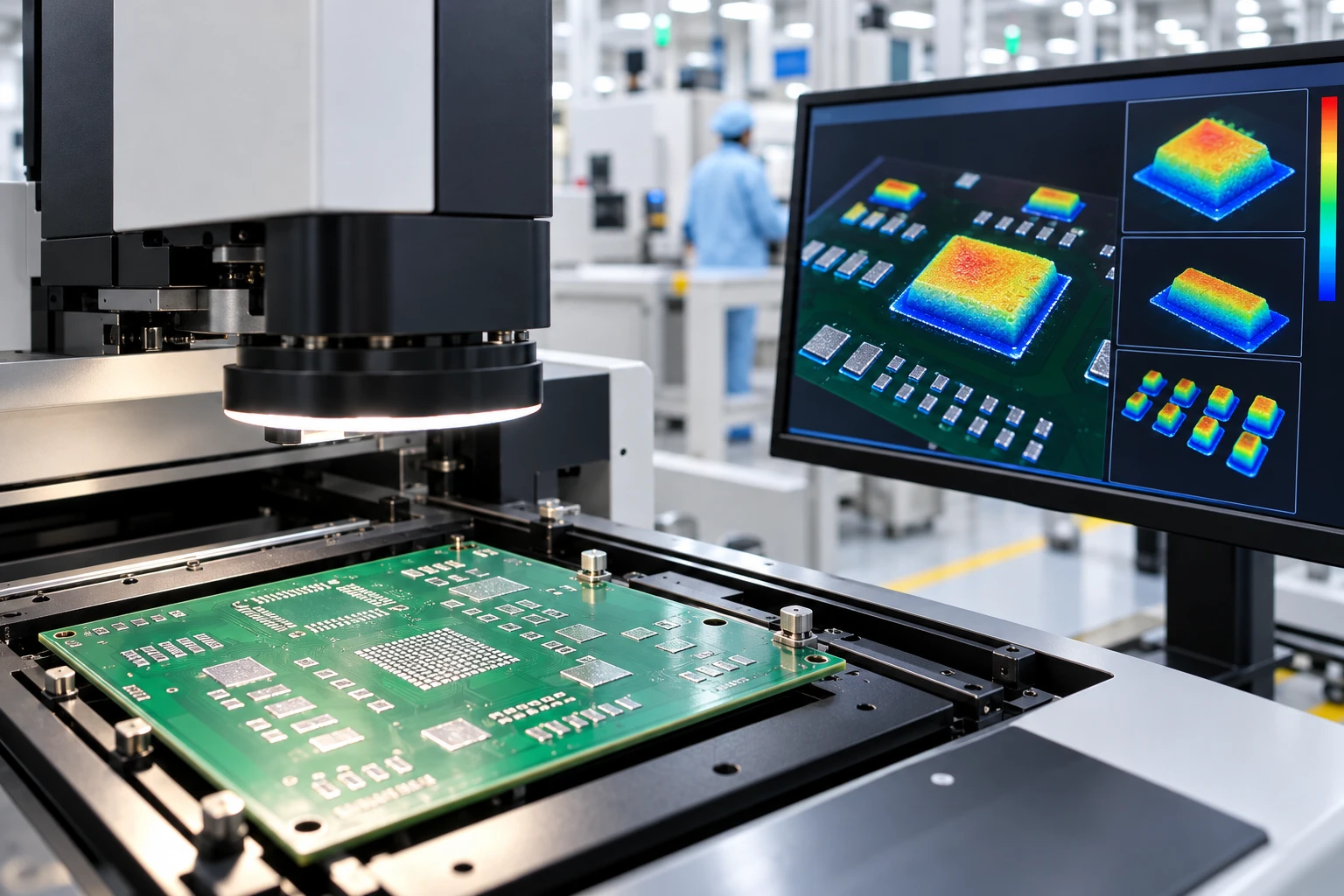
Check paste quality before placement.
 4
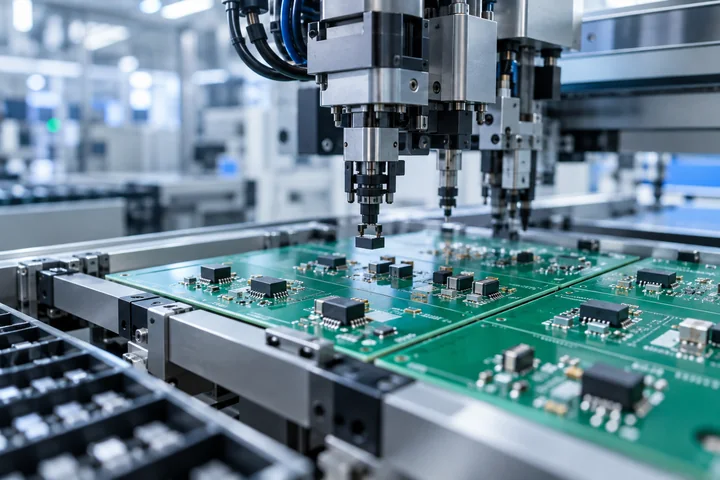
Place components on the PCB automatically.
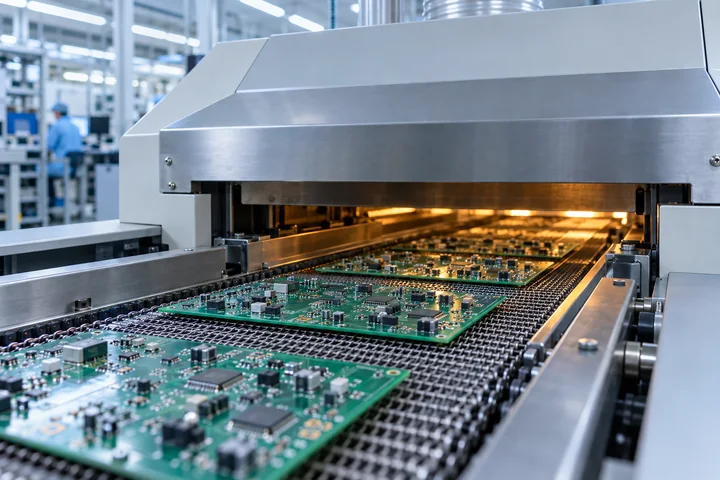 5
Solder components in a reflow oven.
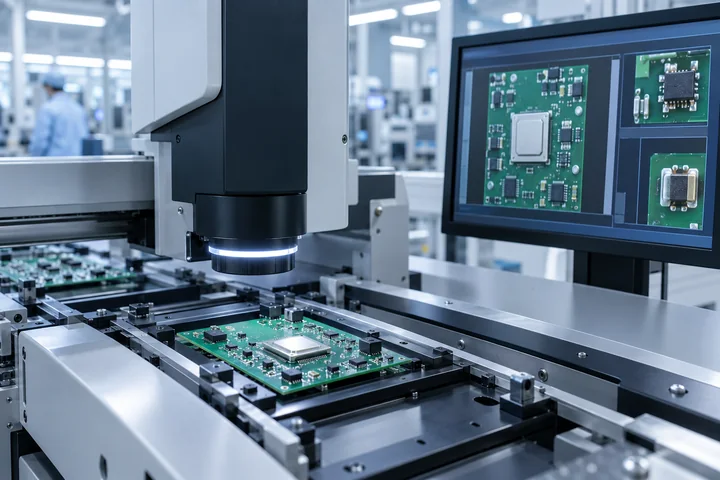 6
Inspect the assembled board for quality.
Prepare the production conditions and control key points to keep the SMT process running smoothly.
Check equipment, materials and environment before production.
Use the correct program and board revision.
Set inspection points at key process steps.
Keep production records for traceability.
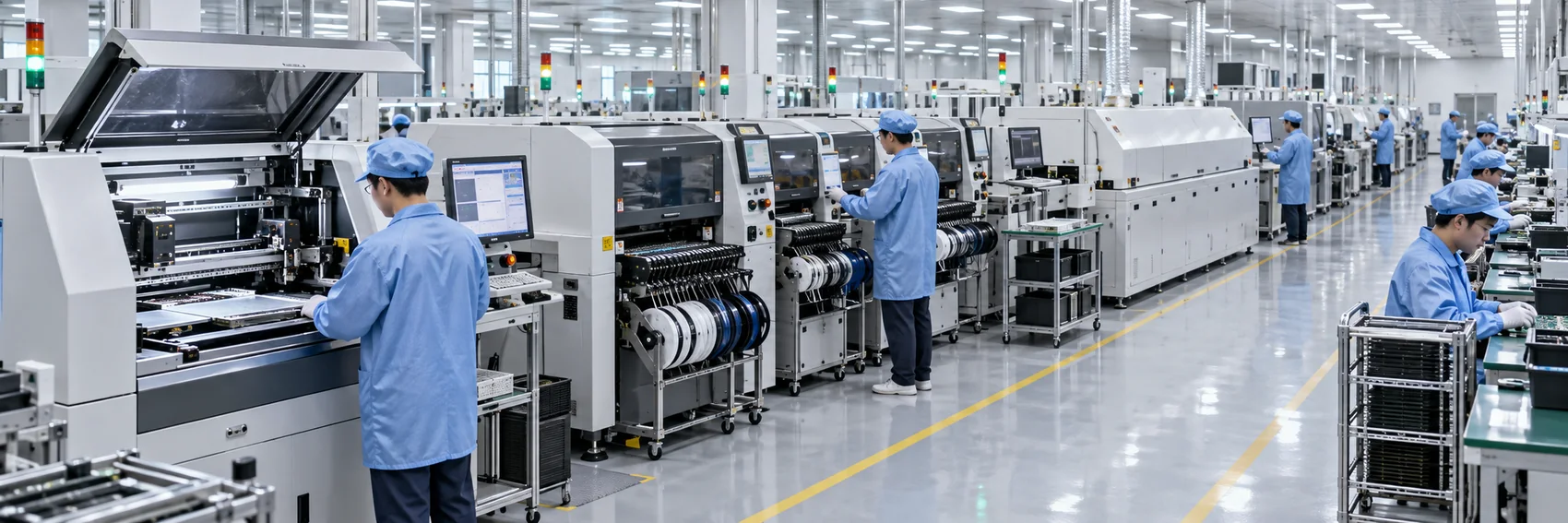
Focus on key points during placement and soldering to review the assembled board.
Ensure components are placed at the correct position.
Check component direction and polarity.
Maintain a suitable soldering profile for good joints.
Handle boards with ESD protection to avoid damage.
Check the board quality through multiple inspection methods.
Check paste coverage and printing quality.
Use optical inspection to review component placement.
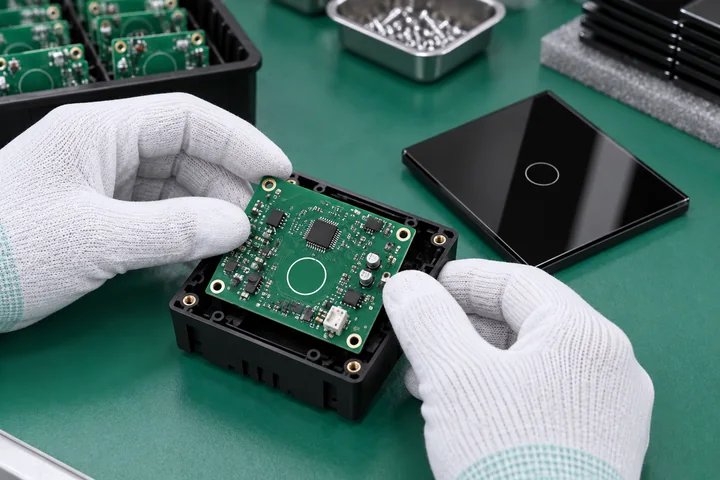
Visually check solder joints for quality.
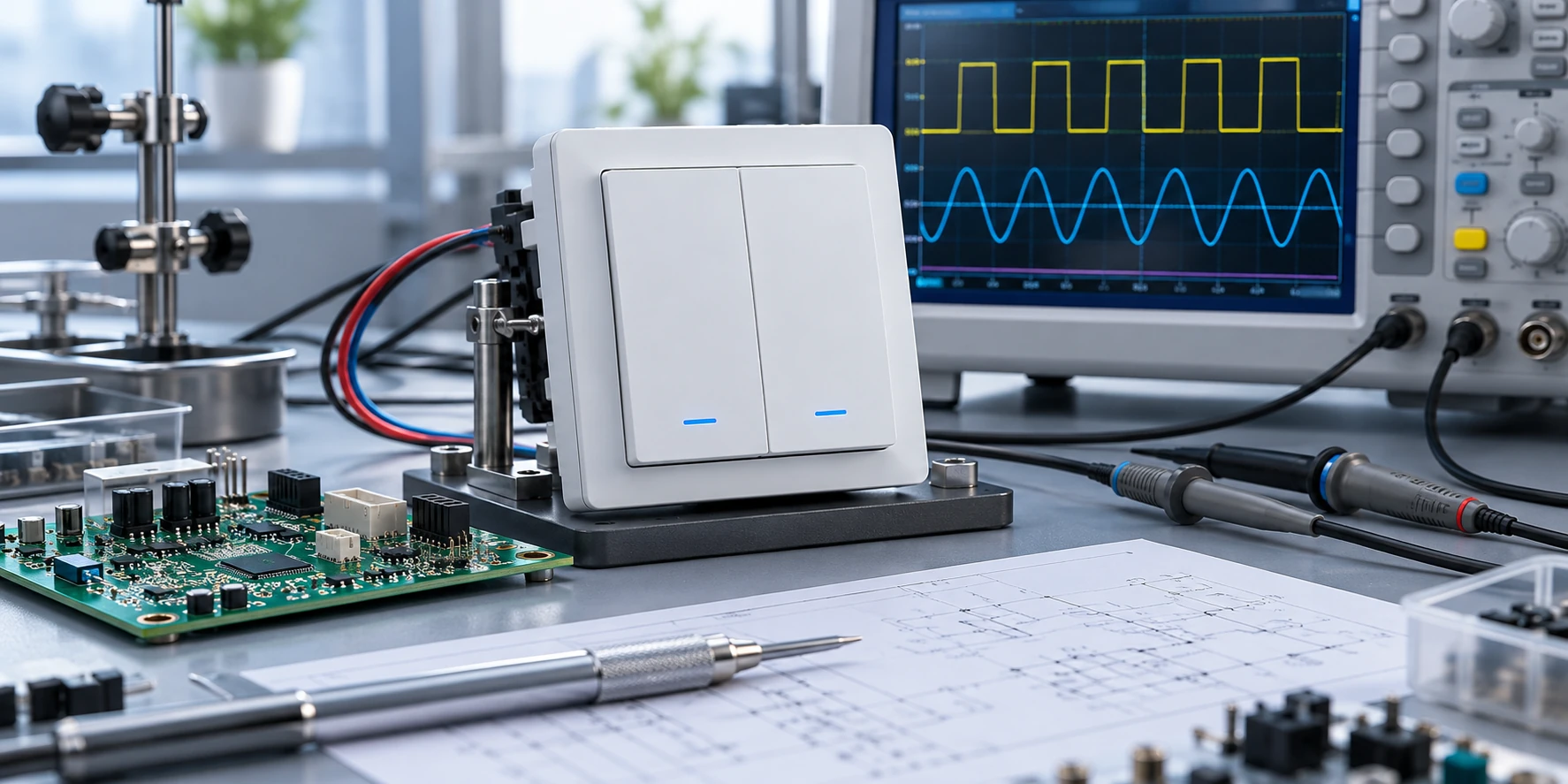
Prepare the board for functional test in the next stage.
Review inspection results and handle findings against the applicable board version.
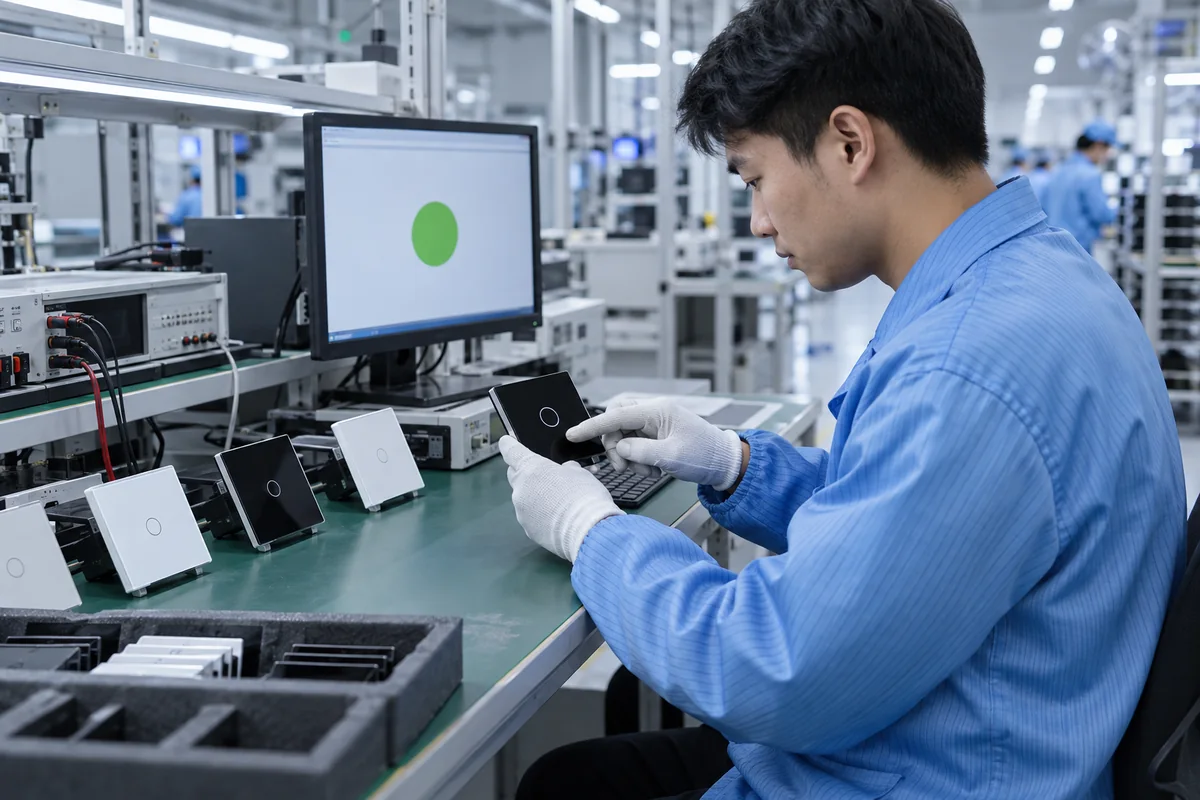
Record inspection findings.
Analyze the cause and impact.
Take corrective action.
Confirm the issue is resolved.
| Review area | What to record |
|---|---|
| Board identity | Board number, revision and batch information. |
| Inspection finding | Description of the issue and location. |
| Disposition | Action taken: rework, repair or use as is. |
| Recheck status | Result after re-inspection. |
Release the applicable board version to the next production stage.
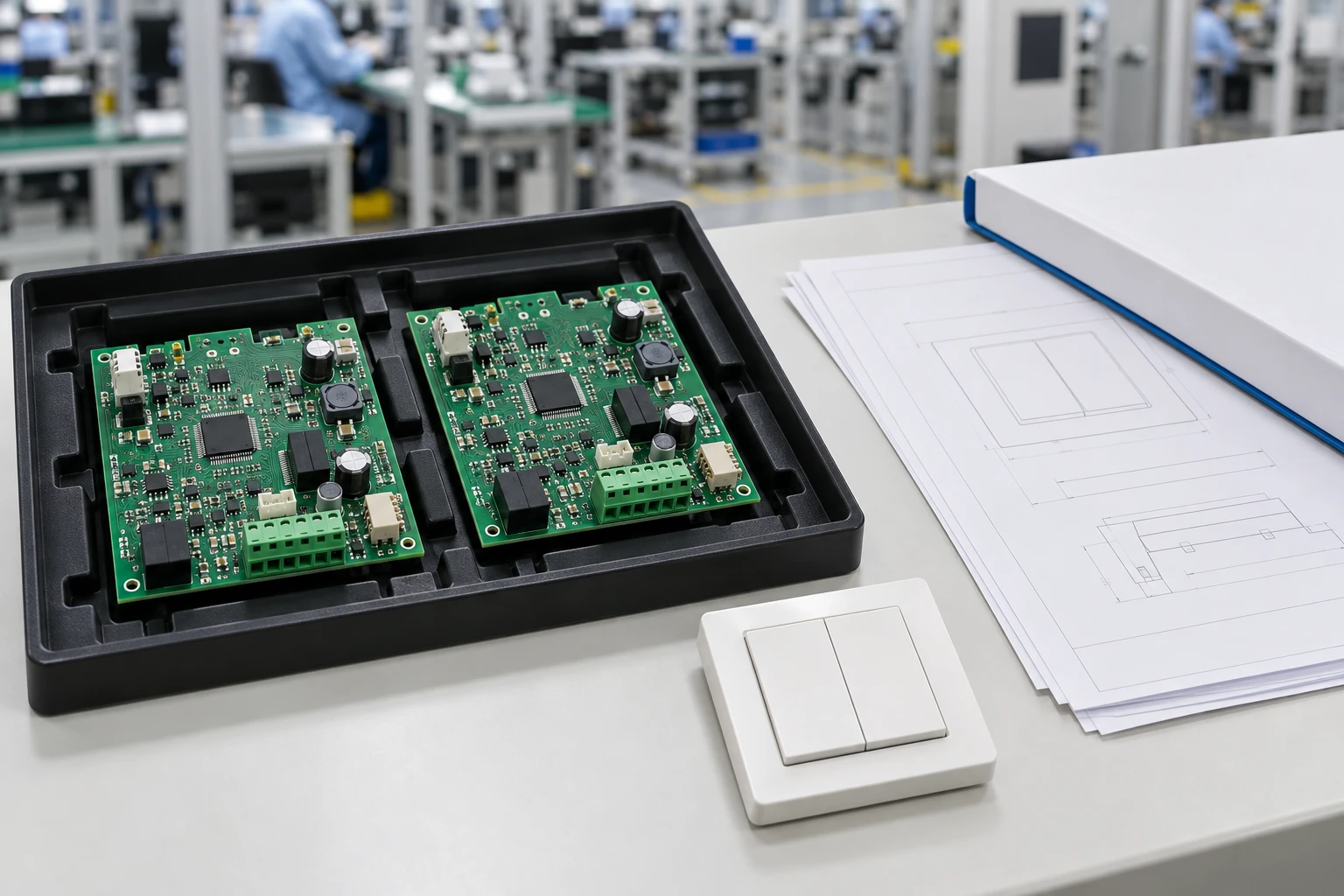
Record the PCB and assembly version used.
Confirm key components and suppliers.
Include inspection results and relevant images.
Approve the board for the next production stage.
Bring the product reference, board information and review priorities.