
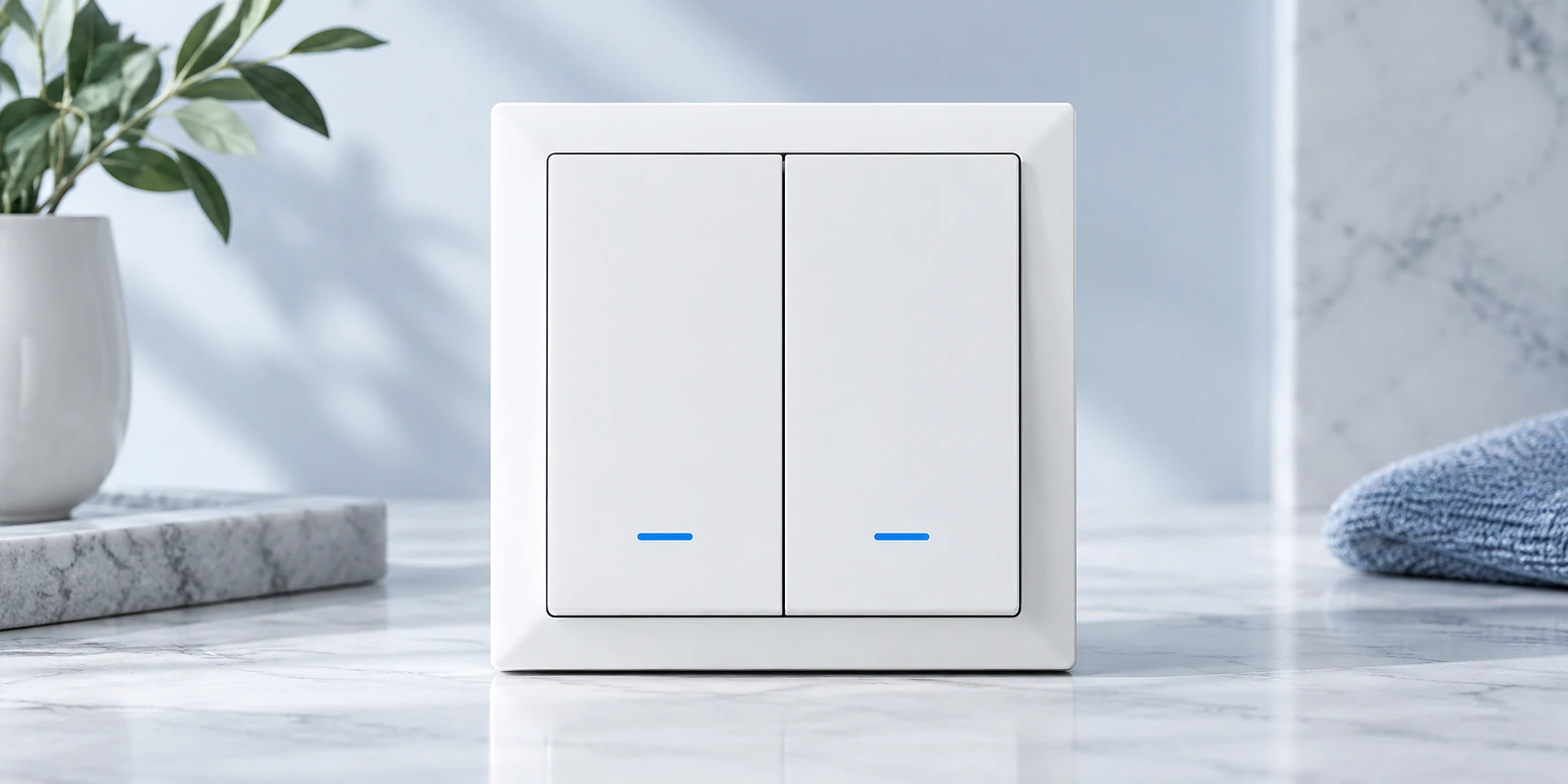
Mechanical design
Form factor, materials, surface finish and installation method.

We work with your product requirements to clarify the technical scope and key development elements.
Form factor, materials, surface finish and installation method.
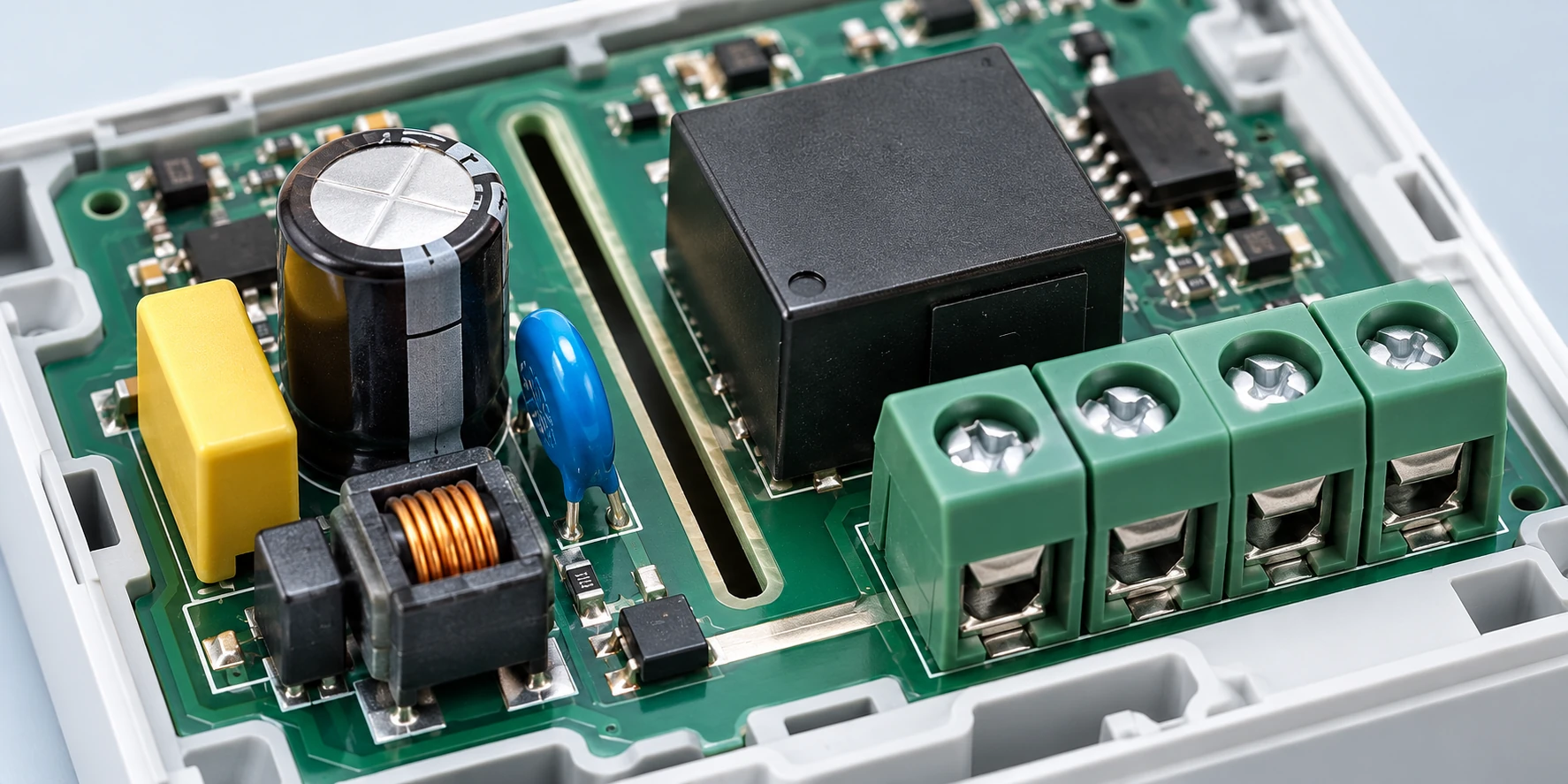
Circuit architecture, power supply, control logic and signal interfaces.
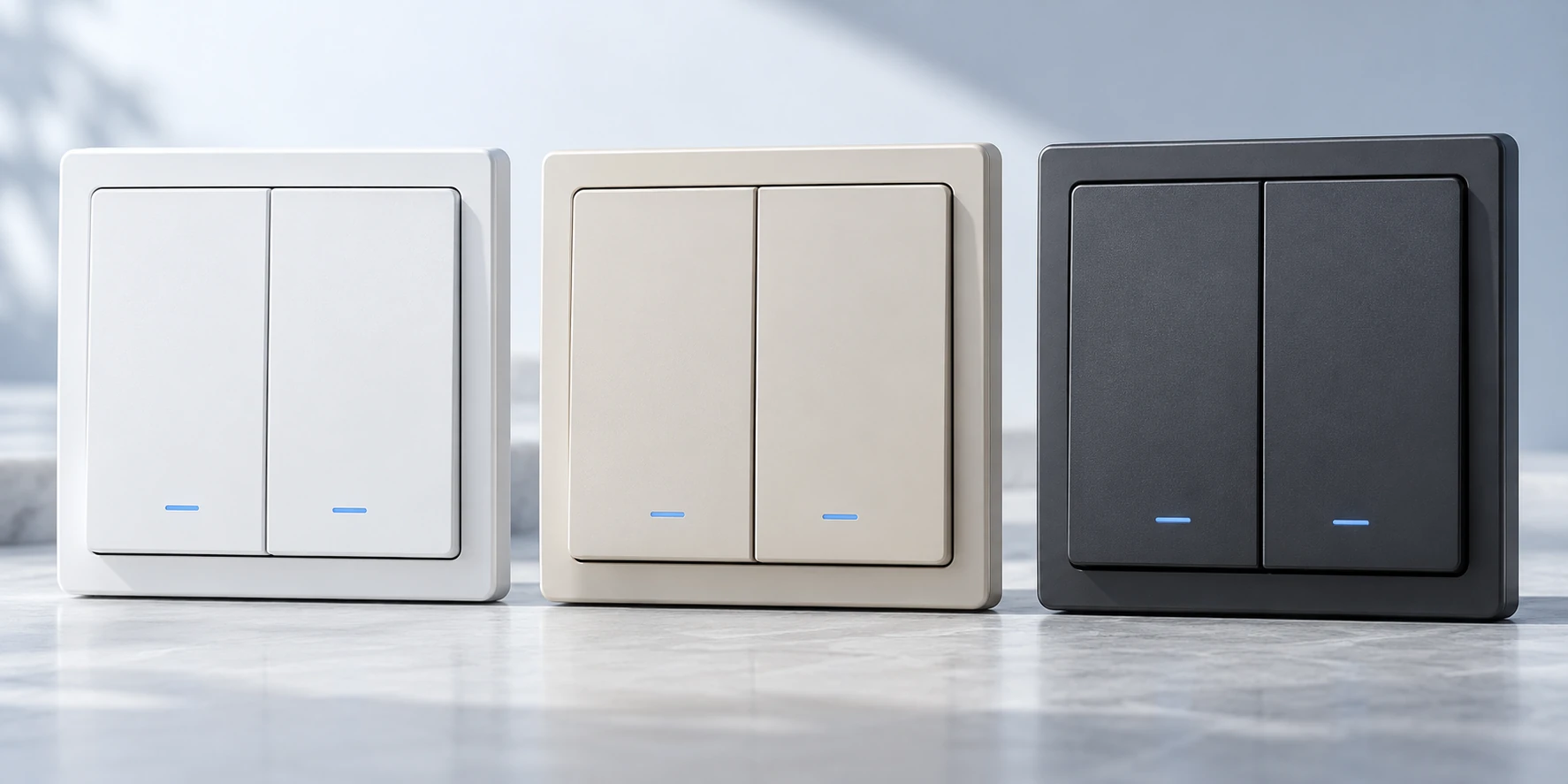
Button structure, feedback, indicators and user experience.
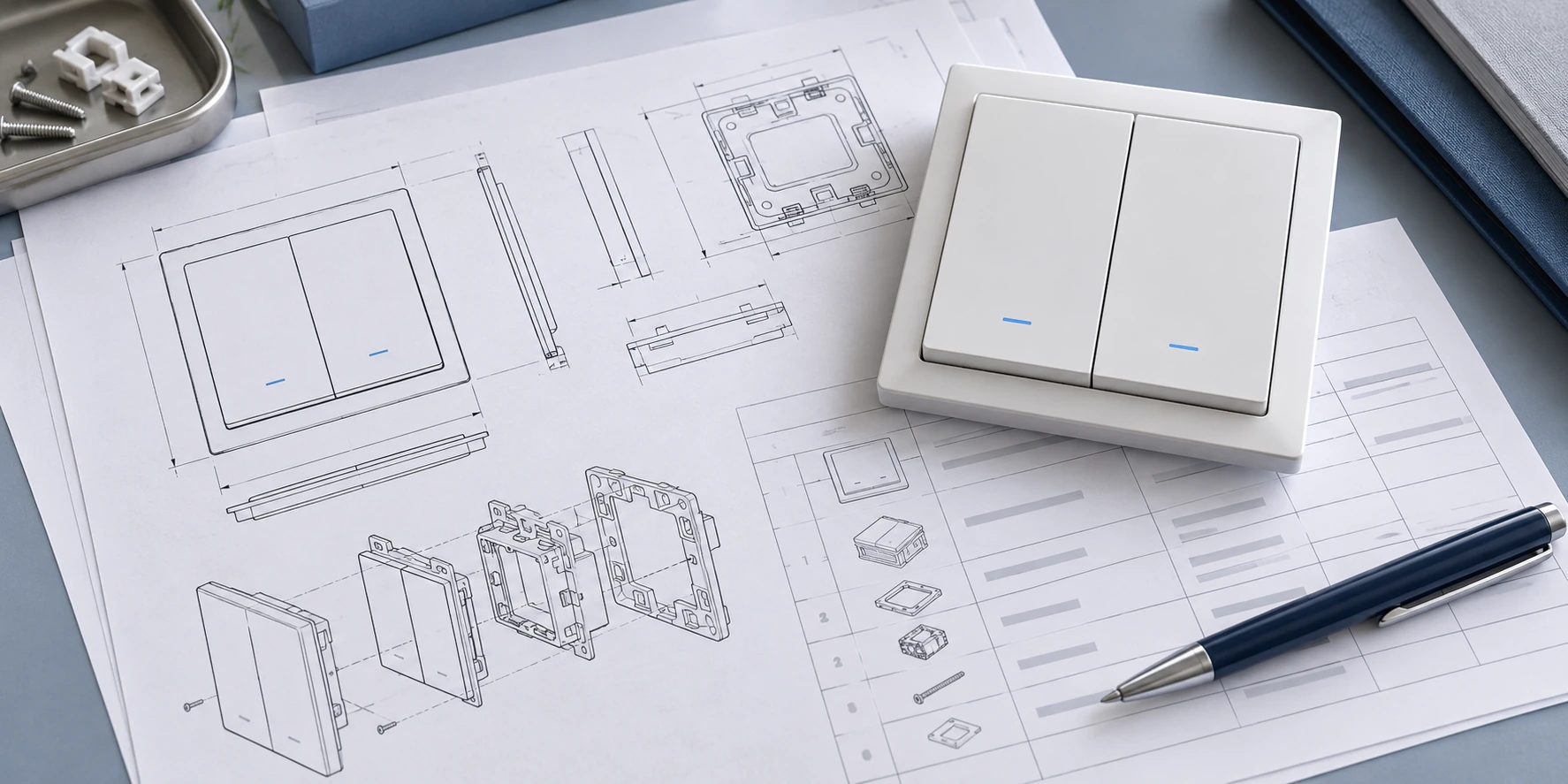
Technical drawings, specifications and development records.
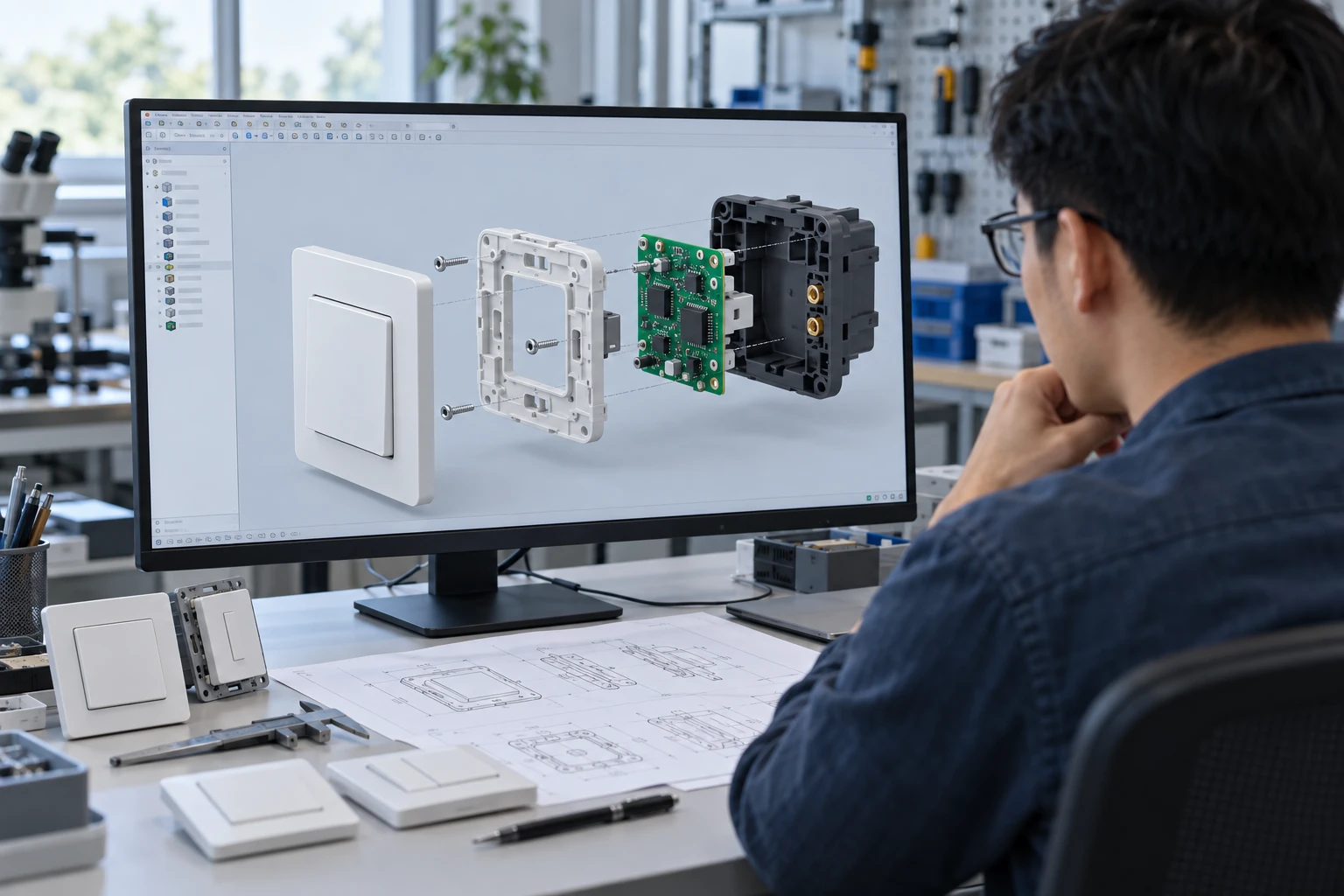
We develop the mechanical design based on your installation environment and structural requirements.

Dimensional design and installation method.

Internal structure, material selection and surface finish.

Component integration and fastening method.

Considerations for maintenance and part replacement.
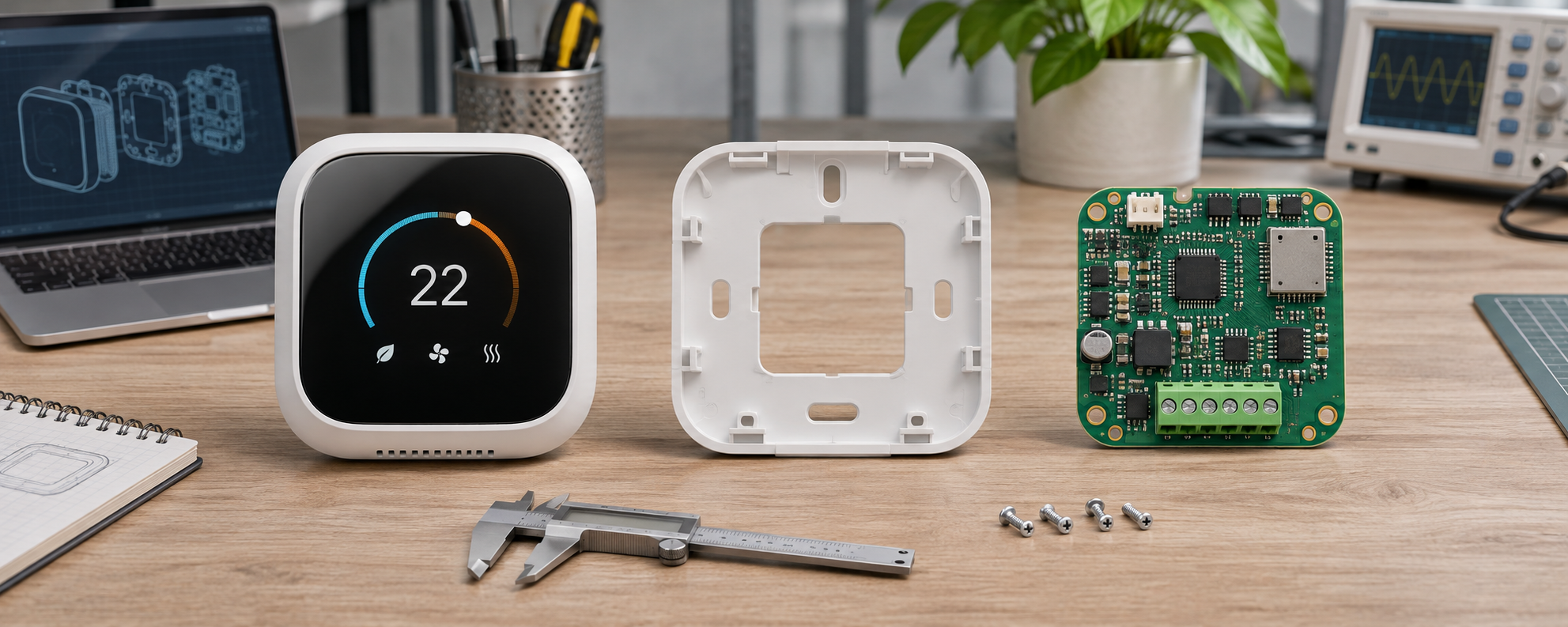
We develop the electronic architecture to support your product function and application requirements.

Input type, load type and control method.

Sensor input, external control and communication interfaces.

Key components and circuitry for reliable performance.

Thermal design based on enclosure structure and operating conditions.
A structured development process to turn your requirements into working samples.

Confirm product function, installation environment and key constraints.
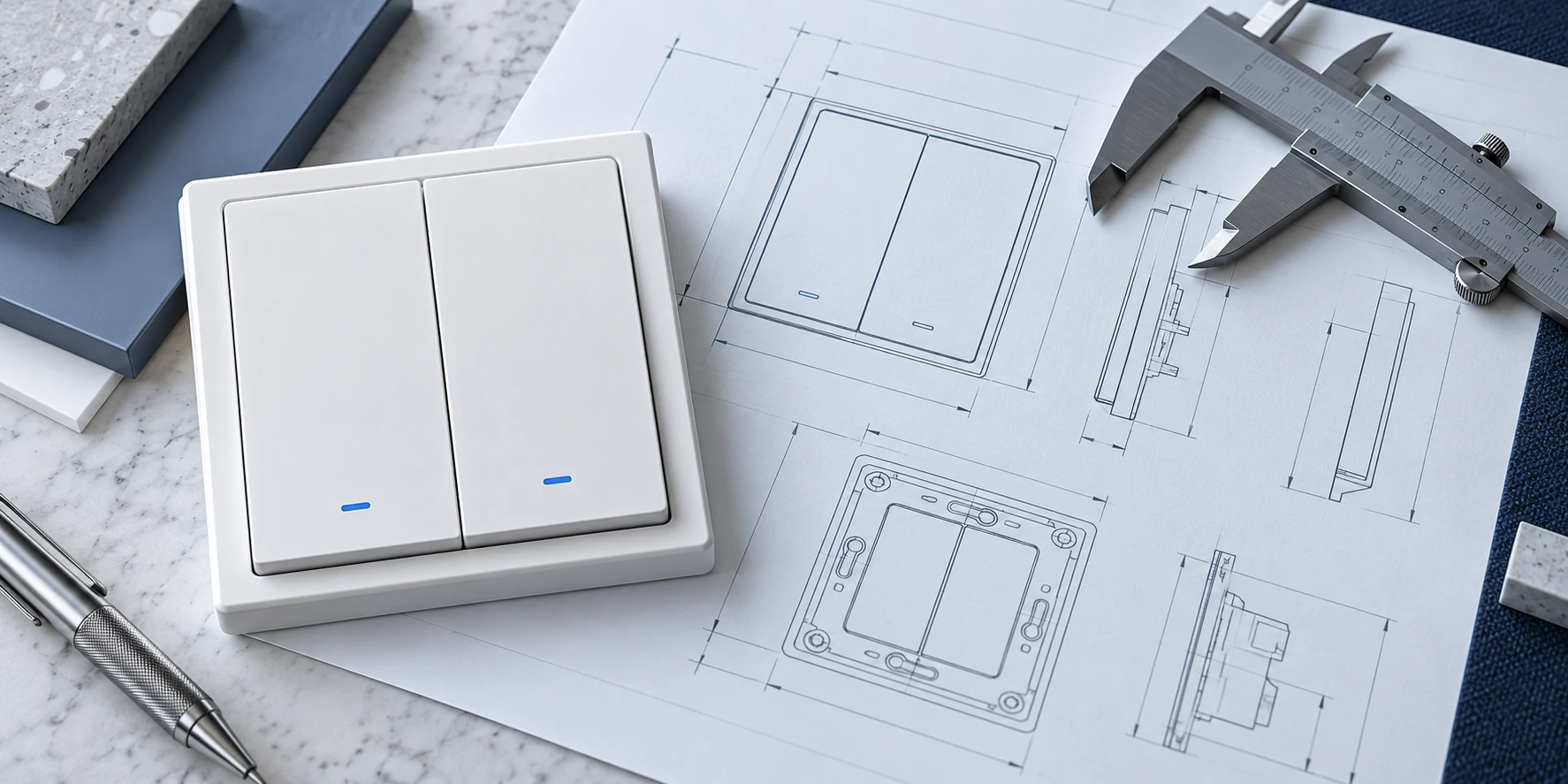
Mechanical design, circuit design and component selection.
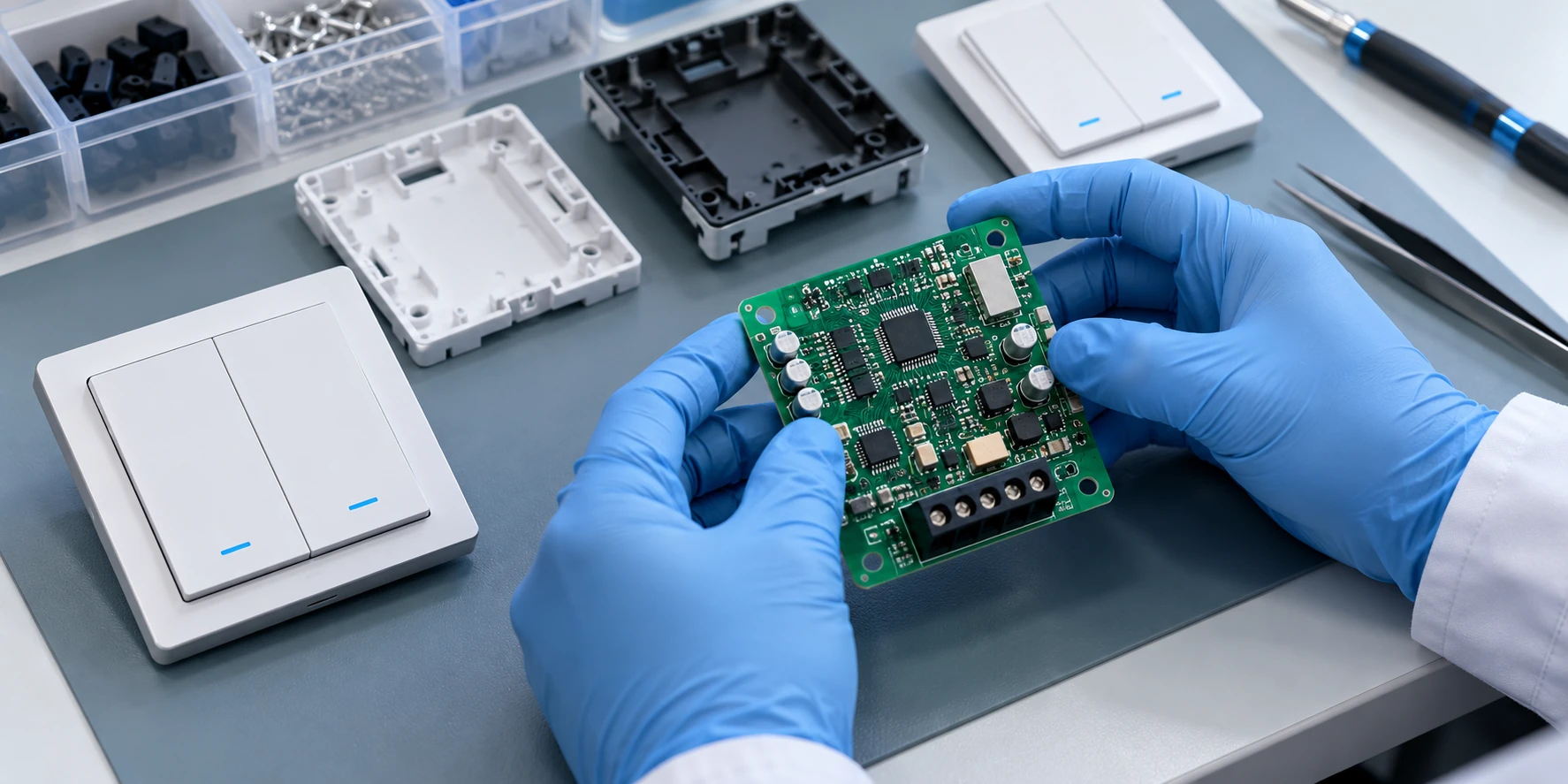
Build and assemble samples using production-representative parts.

Check mechanical fit, interface and overall function.
Design verification is carried out on representative samples to confirm mechanical, electrical and functional performance.
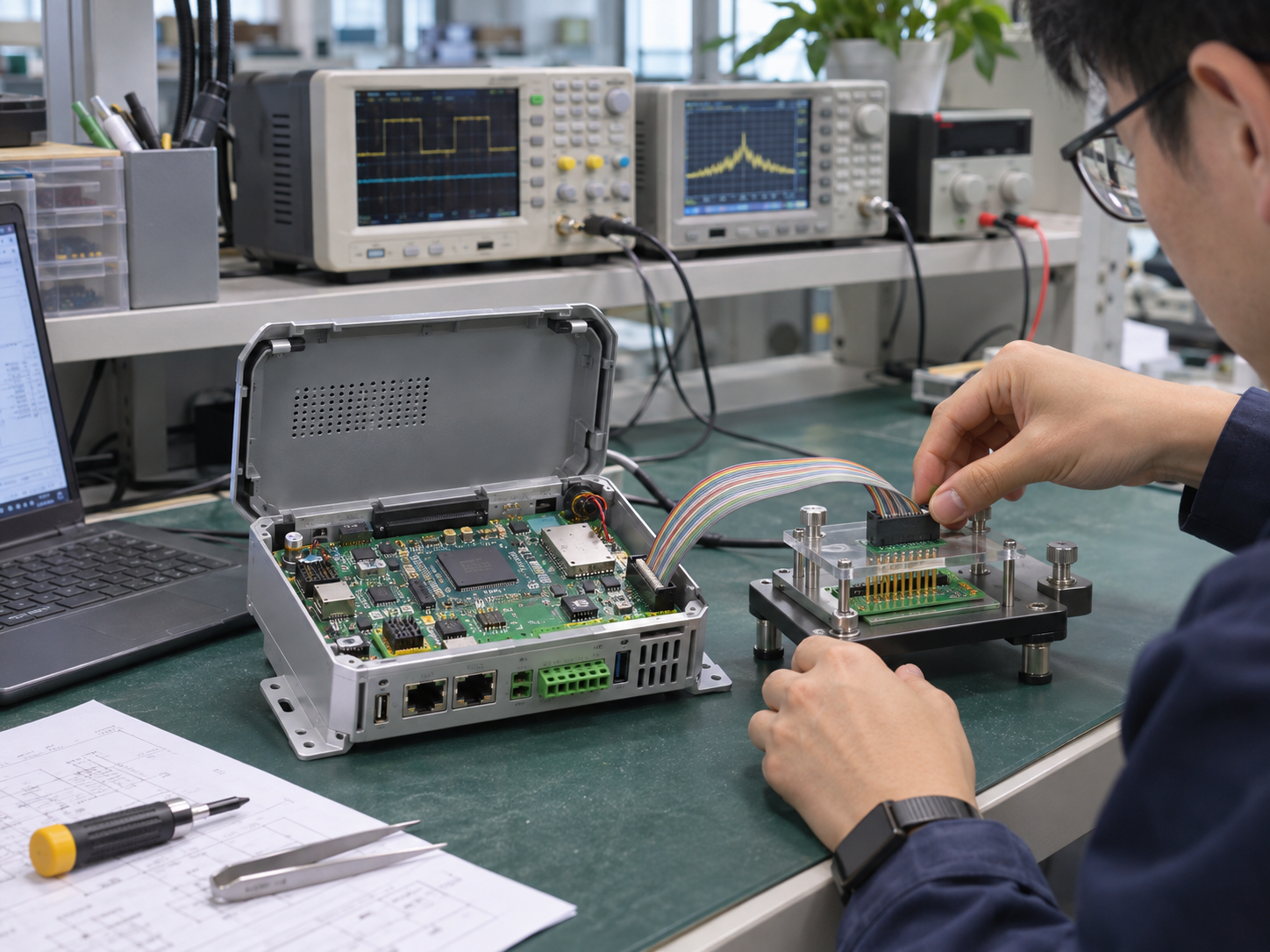
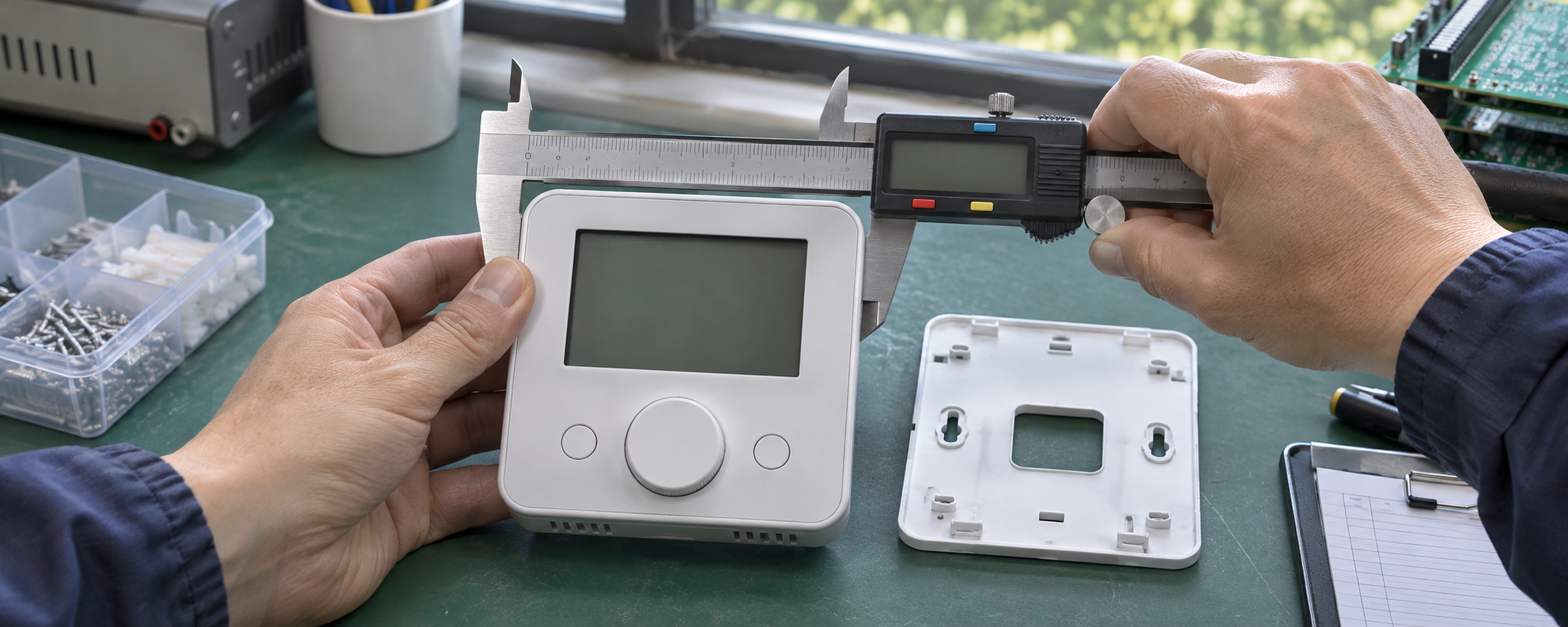
Check mechanical fit and assembly structure.
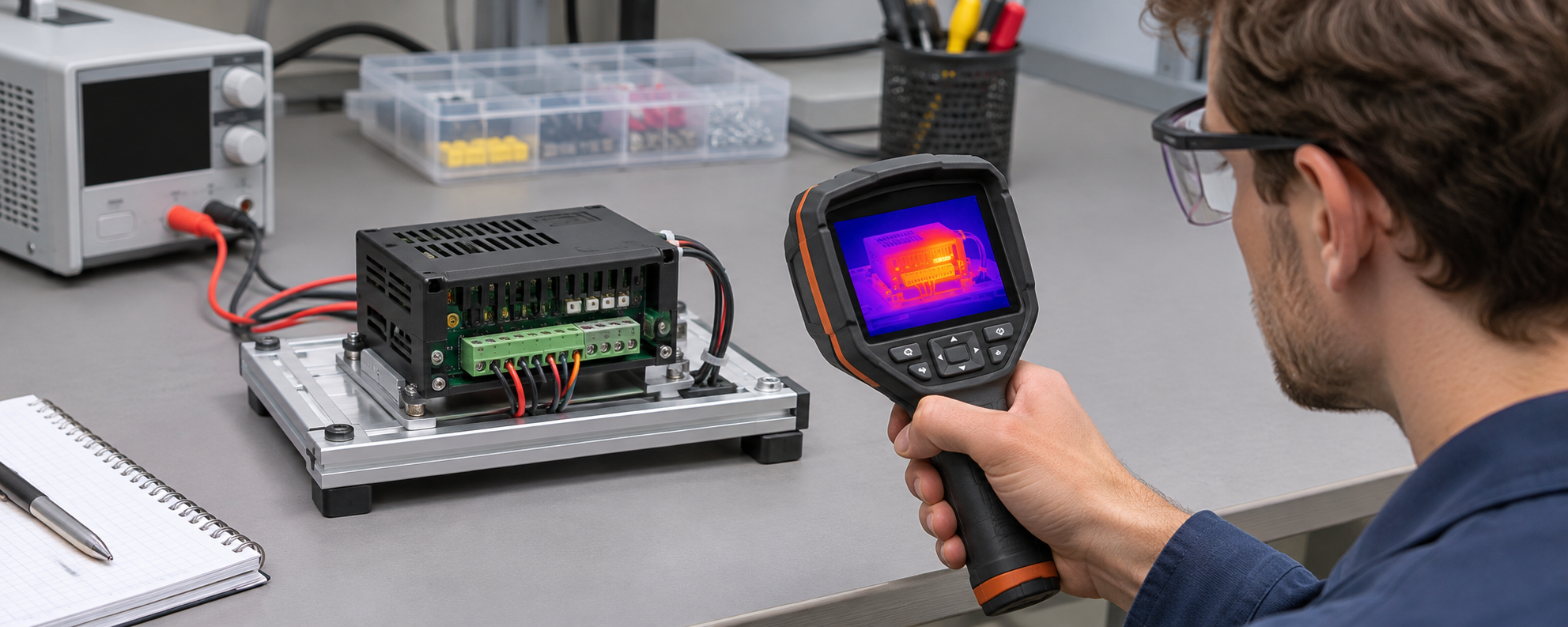
Evaluate thermal behaviour under representative use conditions.
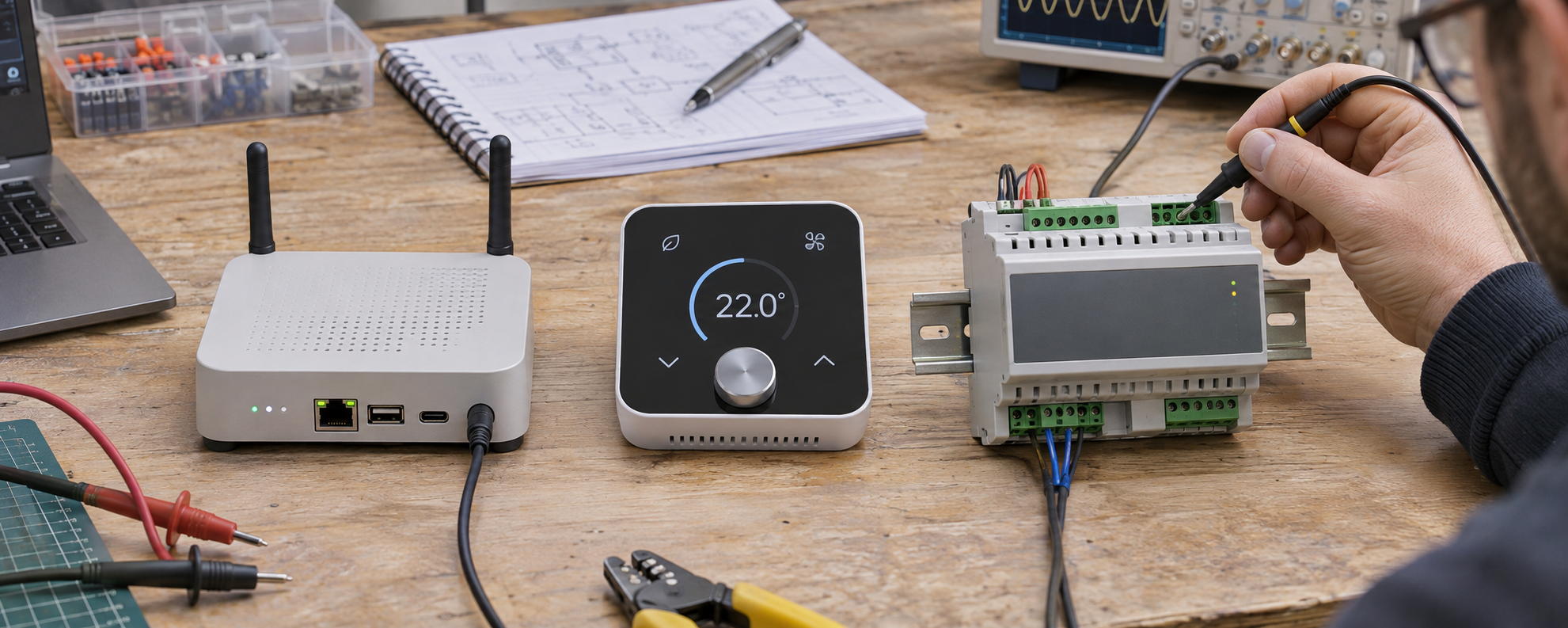
Confirm consistent function across multiple samples.
| Review area | Review focus | Record |
|---|---|---|
| Mechanical fit | Check assembly structure, mounting method and overall fit. | Record test plan and observations. |
| Product function | Verify electrical and functional performance. | Record evaluation methods and results. |
| Configuration | Confirm component selection and material specification. | Record design and configuration details. |
| Revision reference | Compare and track changes across sample versions. | Record change points and update status. |
You receive a complete set of development outputs to support the next stage.

Mechanical drawings, key dimensions and tolerances.
Component lists, specifications and reference materials.

Test results, evaluation records and change points.

Documented changes and version updates.

LET’S WORK TOGETHER
Share the product function, installation context and changes you need. We can discuss the technical approach.
Start an Engineering Conversation