

Distribution
Supply products to your local channels and customers.

Different business roles focus on different channels, products and project types.
Supply products to your local channels and customers.
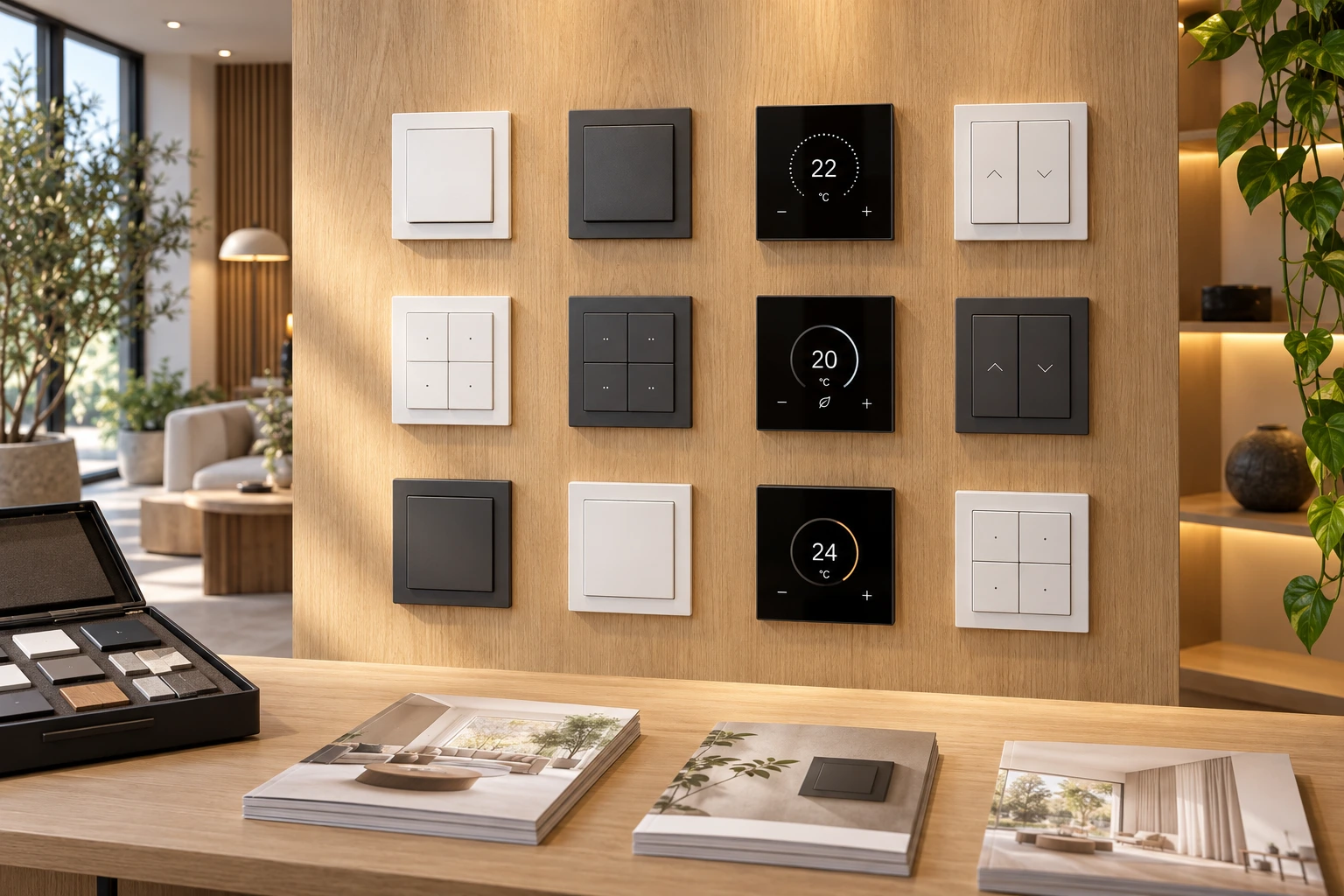
Display and sell products in your own stores.

Use products in residential or commercial projects.
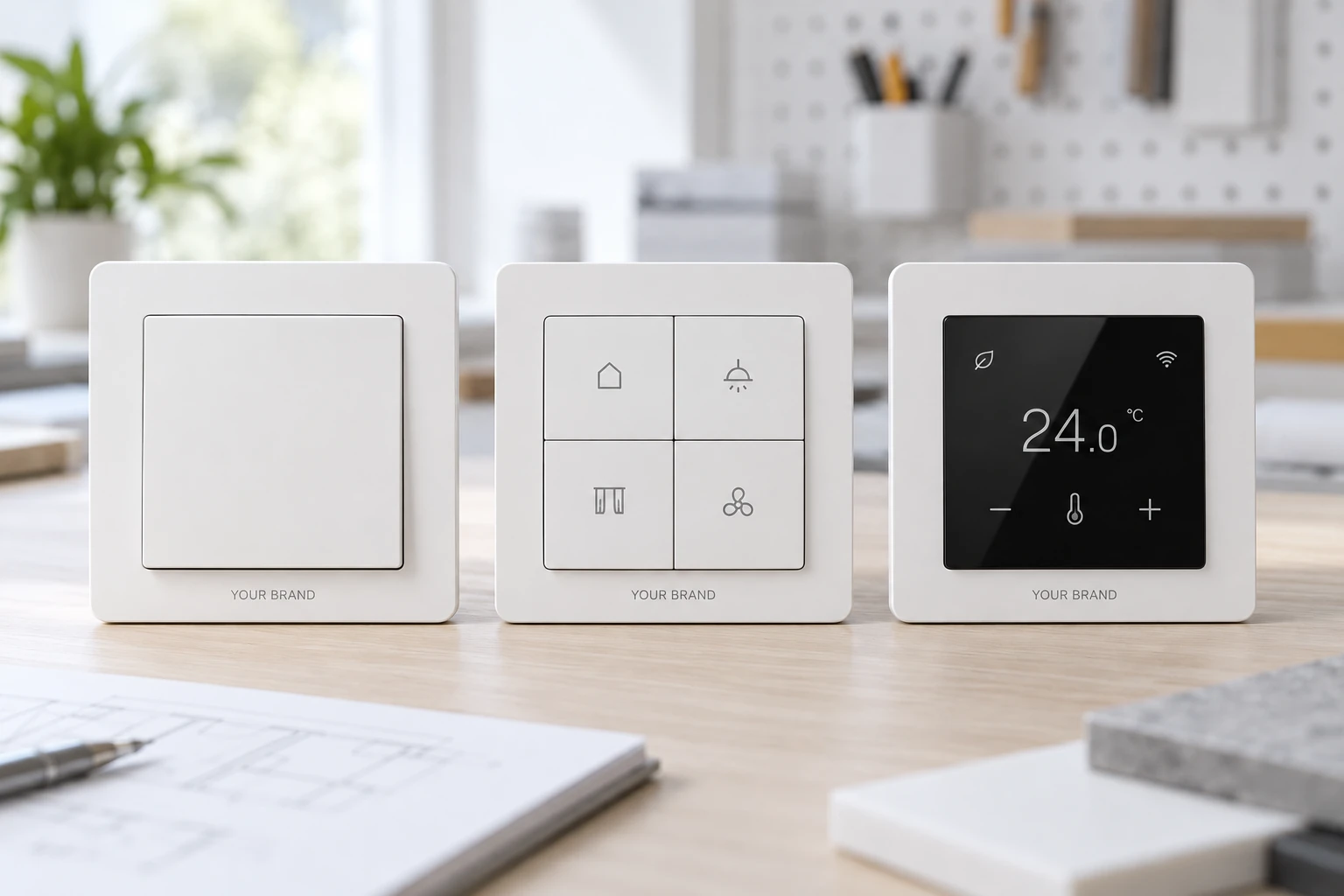
Explore customized options such as branding and finishes.
Who you serve and how you reach them
Key product categories and application areas
Typical project types and scale
Technical, marketing and commercial support
Two common models for bringing products to your local market.
Work with us to supply products to your local channels.
Choose the right product categories for your market.
Plan product quantities and delivery around channel demand.
Supply your customers and support the local market.

Present products through your own stores.
Show products and working scenarios in your store.
Use sample kits, displays and application scenes.
Discuss product information, images and presentation materials.
You bring local market insight and customer relationships. Product information and support are agreed for your business.
Work together on products and projects to explore suitable solutions for your market.

Plan suitable products for your local projects.
Discuss specific needs, functions and installation conditions.
Select suitable products and configurations for each project.
Prepare relevant drawings, product lists and other documents.
Explore customized product options for your market.
Discuss branding and customized product appearance.
Define logo, finishes, packaging and other options.
Review samples before further rollout.
Discuss customized products based on your requirements and application scenarios.
Explore OEM / ODMEach model has a different focus. Use this overview to find a starting point.
| Model | Primary focus | Partner contribution | Discussion topics |
|---|---|---|---|
| Distribution | Local channels and market supply | Customer network, market insight and local sales efforts | Product selection, order planning and channel support |
| Channel retail | Customer display and direct sales | Store resources, customer experience and local promotion | Product mix, displays, sales materials and training |
| Project integration | Project delivery and solution fit | Project information, technical requirements and site coordination | Application scenarios, configuration and support |
| Brand cooperation | Customized product portfolio | Brand direction, design preferences and target market | Product appearance, customization and sample review |
A clear understanding of responsibilities helps prepare a practical cooperation plan.

Target customers, channels and competitive environment.
Planned product categories and functions.
Typical project types and technical requirements.
Agree the product categories and configurations.
Marketing, training and technical support.
Plan quantities, delivery schedules and logistics.
Commercial terms and responsibilities are confirmed for the agreed scope.
Share your requirements so we can discuss the right cooperation model together.
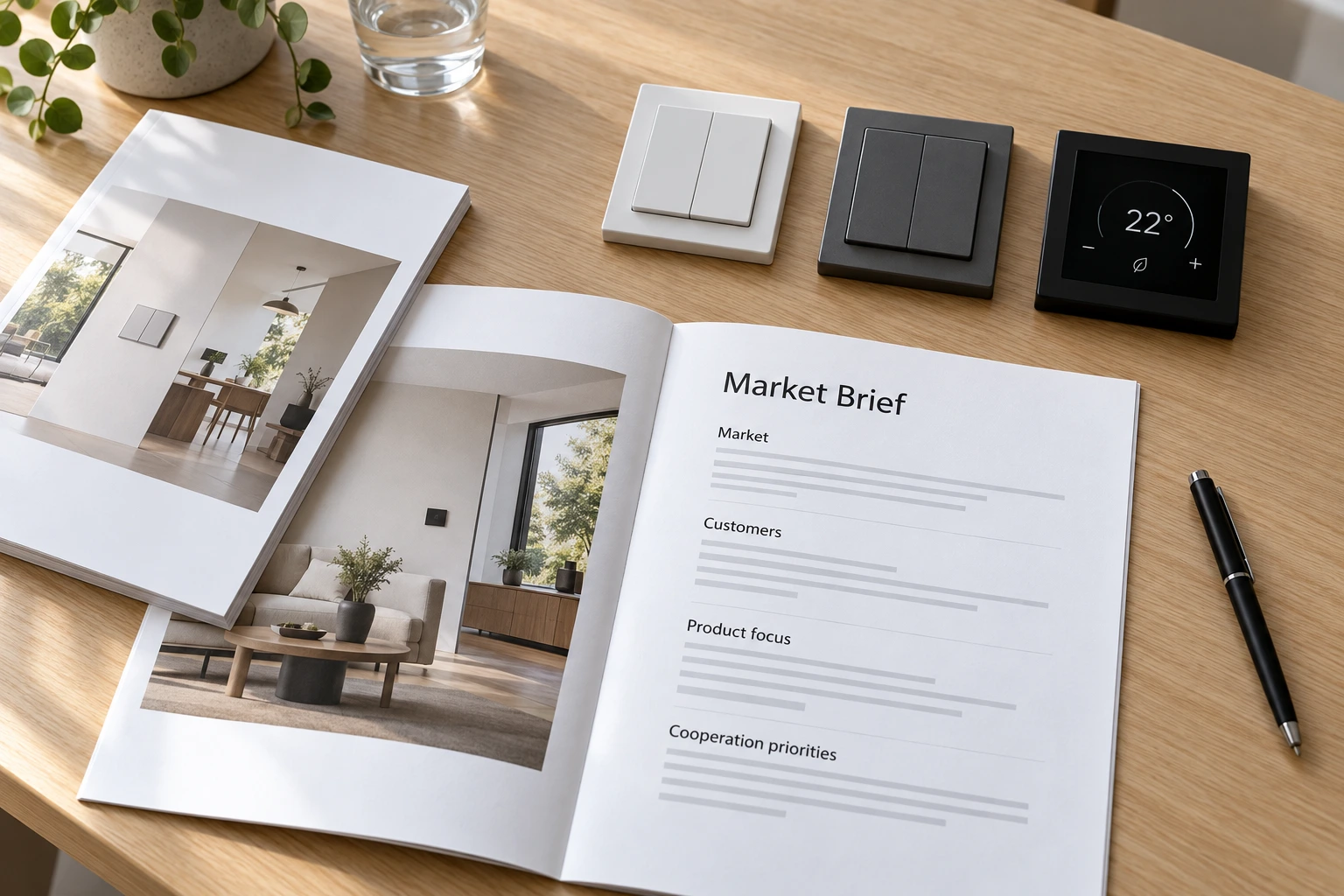
Tell us about your market, customers and growth plans.
Select a model that fits your business.
Your key product categories and application areas.
Marketing materials, training, technical support or other needs.
Tell us how you serve your market and where you want to grow.
Your business, market and key customer segments.
Distribution, retail, project or other.
Your product categories and application focus.
Discuss priorities and plan the next stage.


